
ManGeo Research Group activities
Reports on research meetings
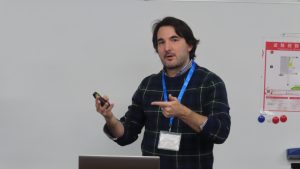
ManGeo Research Meeting at Ritsumeikan University OIC
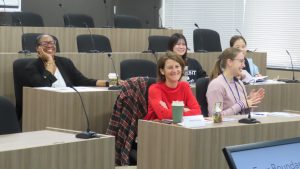
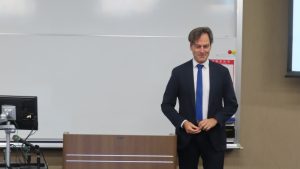
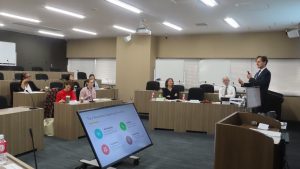
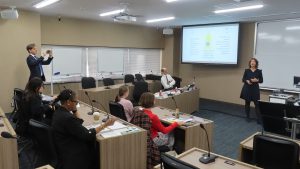
Ritsumeikan University (RU) recently hosted the ManGeo Research Meeting, bringing together distinguished guest speakers from Germany to explore the topic of intercultural competence among expatriate managers.
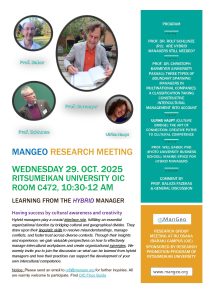
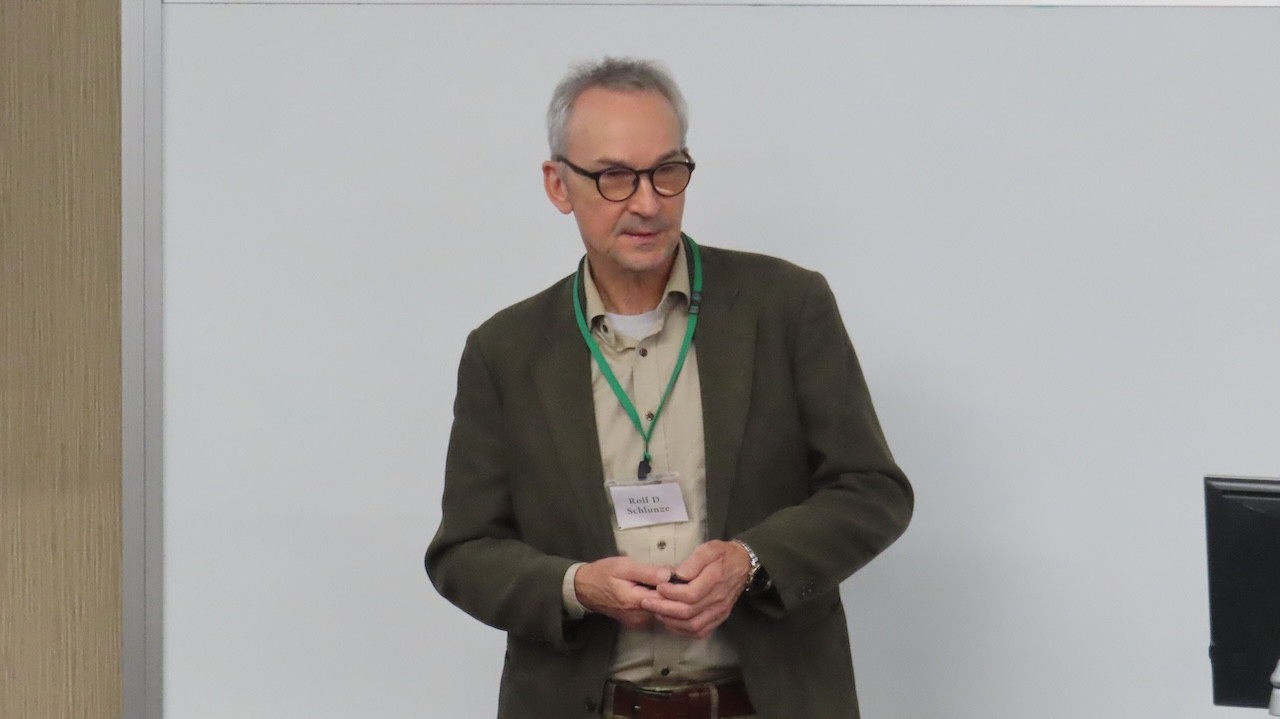
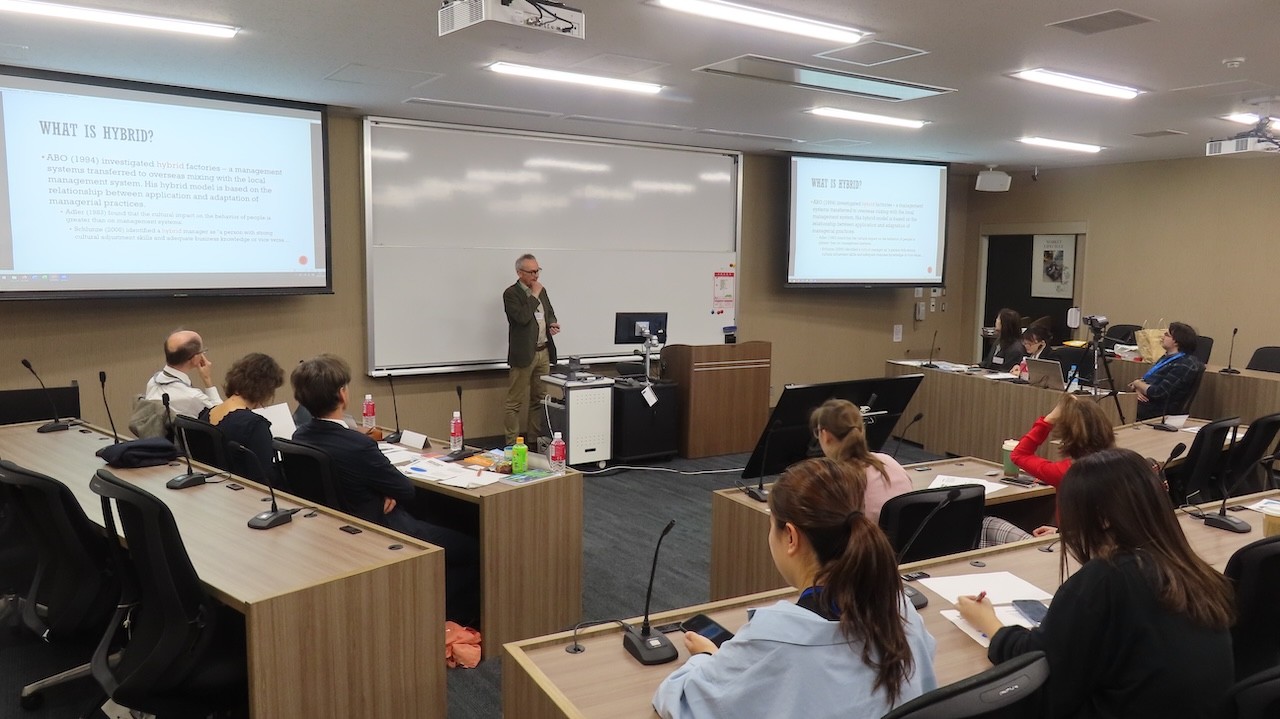
Prof. Dr. Rolf D. Schlunze (Ritsumeikan University) opened the session by introducing the concept of the hybrid manager—a bilingual and intercultural professional capable of navigating multiple cultural and organizational contexts.
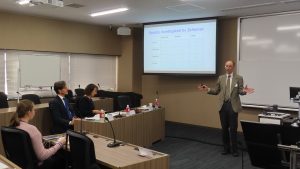
Prof. Dr. Christoph Barmeyer (University of Passau) presented his typology of boundary-spanning managers in multinational companies, integrating the principles of Constructive Intercultural Management to explain how managers create value across cultural divides.
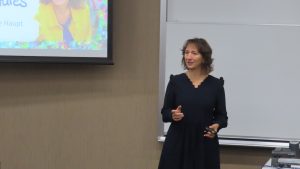
Ulrike Haupt (Culture Bridge) shared her original framework, The Art of Connection, emphasizing creative pathways to developing cultural competence and interpersonal synergy.
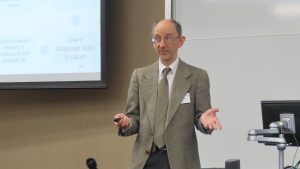
Prof. Will Baber ベイバー, PhD (Kyoto University Business School) contributed a thought-provoking perspective on the hidden or exclusive spaces of intercultural negotiation, suggesting these areas merit deeper investigation to better understand the hybrid manager’s position and influence.
Professor Fazekas Balazs offered insightful commentary, noting that while cultural awareness is crucial, strategic and political sensitivities remain equally vital in international business contexts. Consul Melanie Saxinger further enriched the debate by advocating for the enduring relevance of the classical assigned expatriate.
A particularly engaging discussion revolved around the role of AI in intercultural competence. Could AI one day replace hybrid managers? The consensus was clear: AI can assist, but not replace. While artificial intelligence can enhance communication, translation, and analytical efficiency, it lacks the empathy, cultural understanding, and ethical reflection that define effective intercultural leadership.
As discussed, AI can reveal patterns of misunderstanding, yet only humans can rebuild trust. In line with Professor Barmeyer’s concept of Constructive Intercultural Management, we concluded that technology should serve as an enabler of human synergy, not its substitute.
Find this article posted to LinkedIn and a detailed report on AI and the Role of Hybrid Managers in Constructive Intercultural Management.
 |
 |
 |
 |
 |
 |
 |
 |
 |
 |
 |
 |
ManGeo pre-conference at Ritsumeikan OIC and AJG Symposium
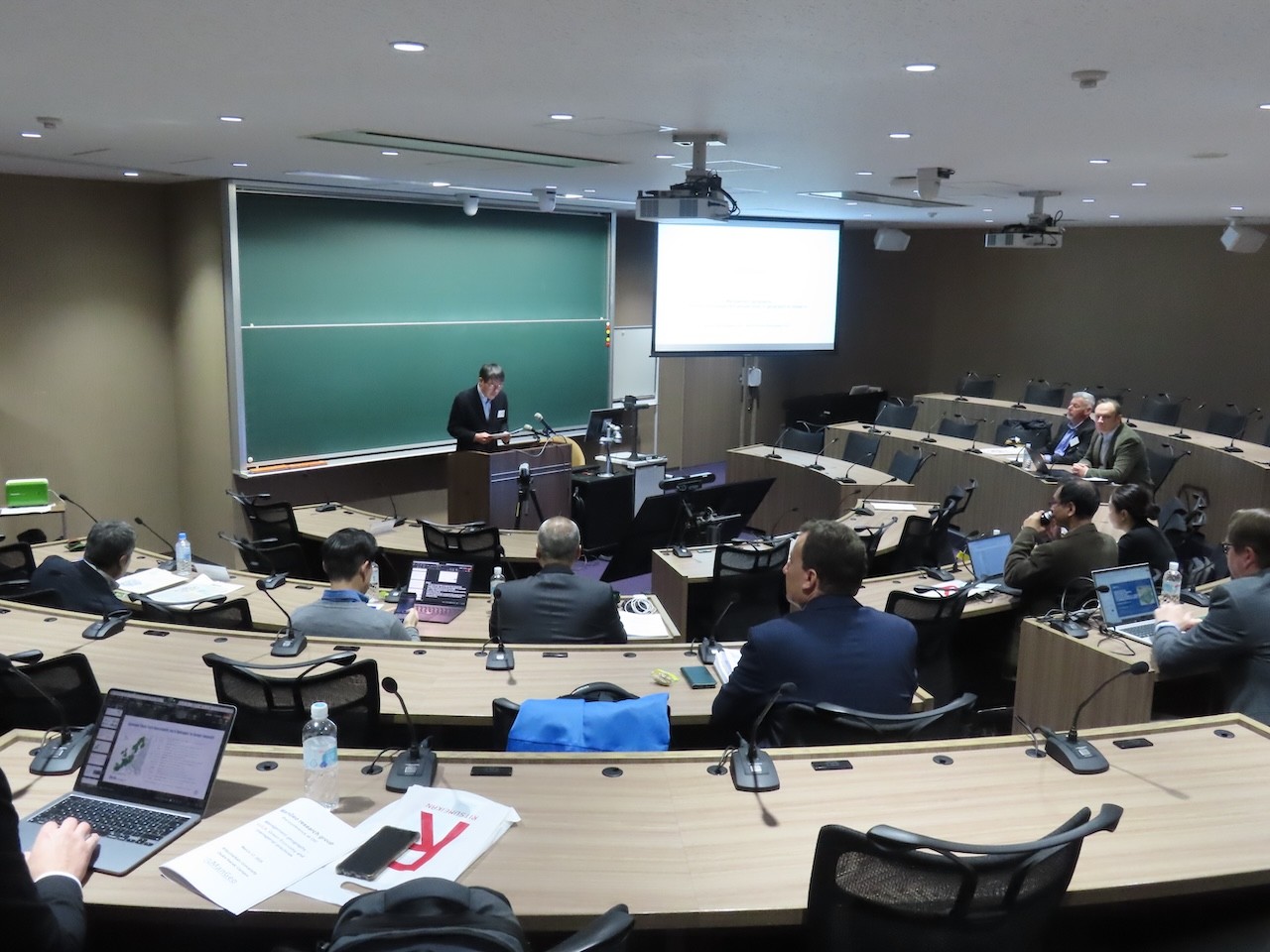
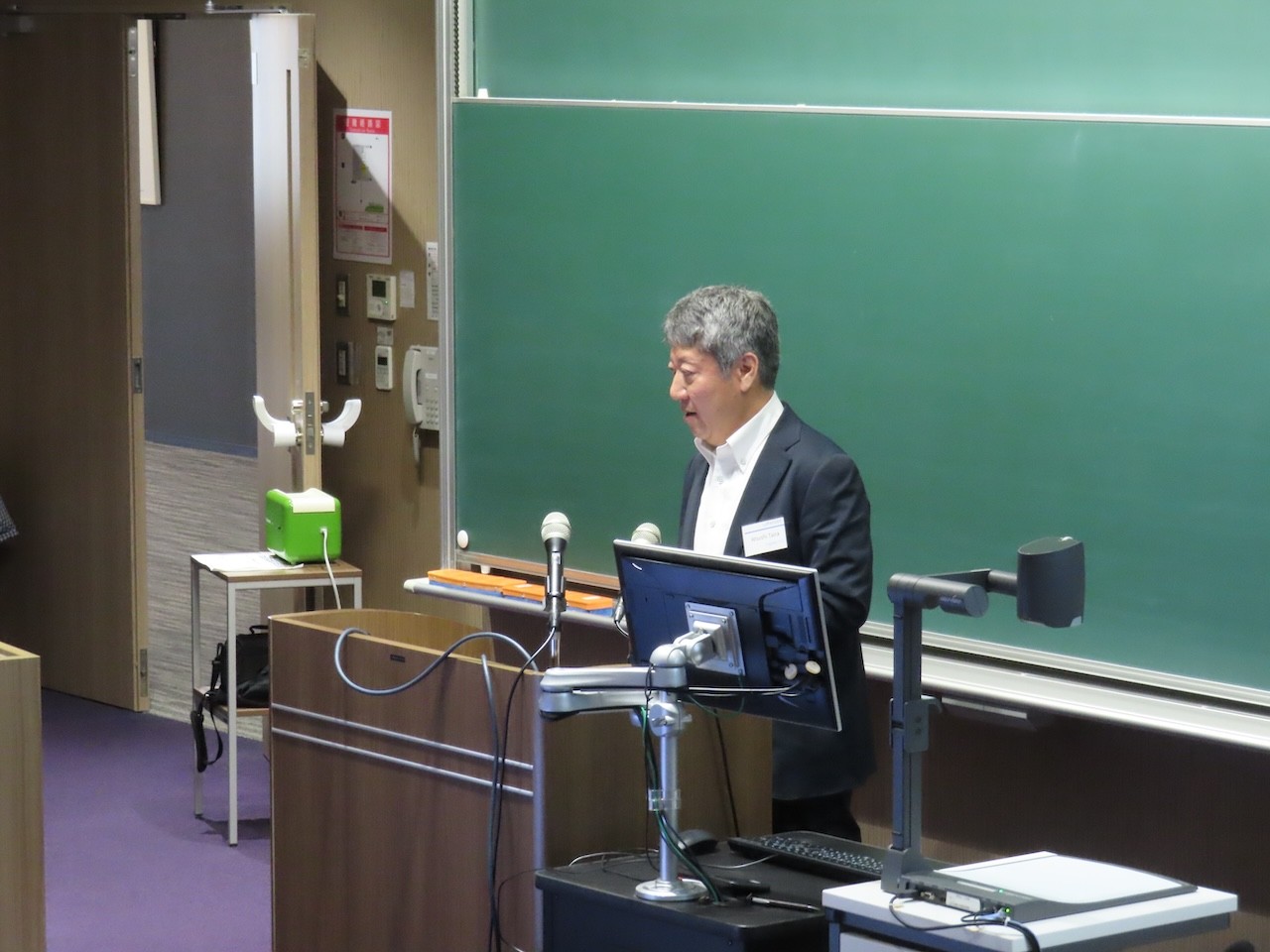
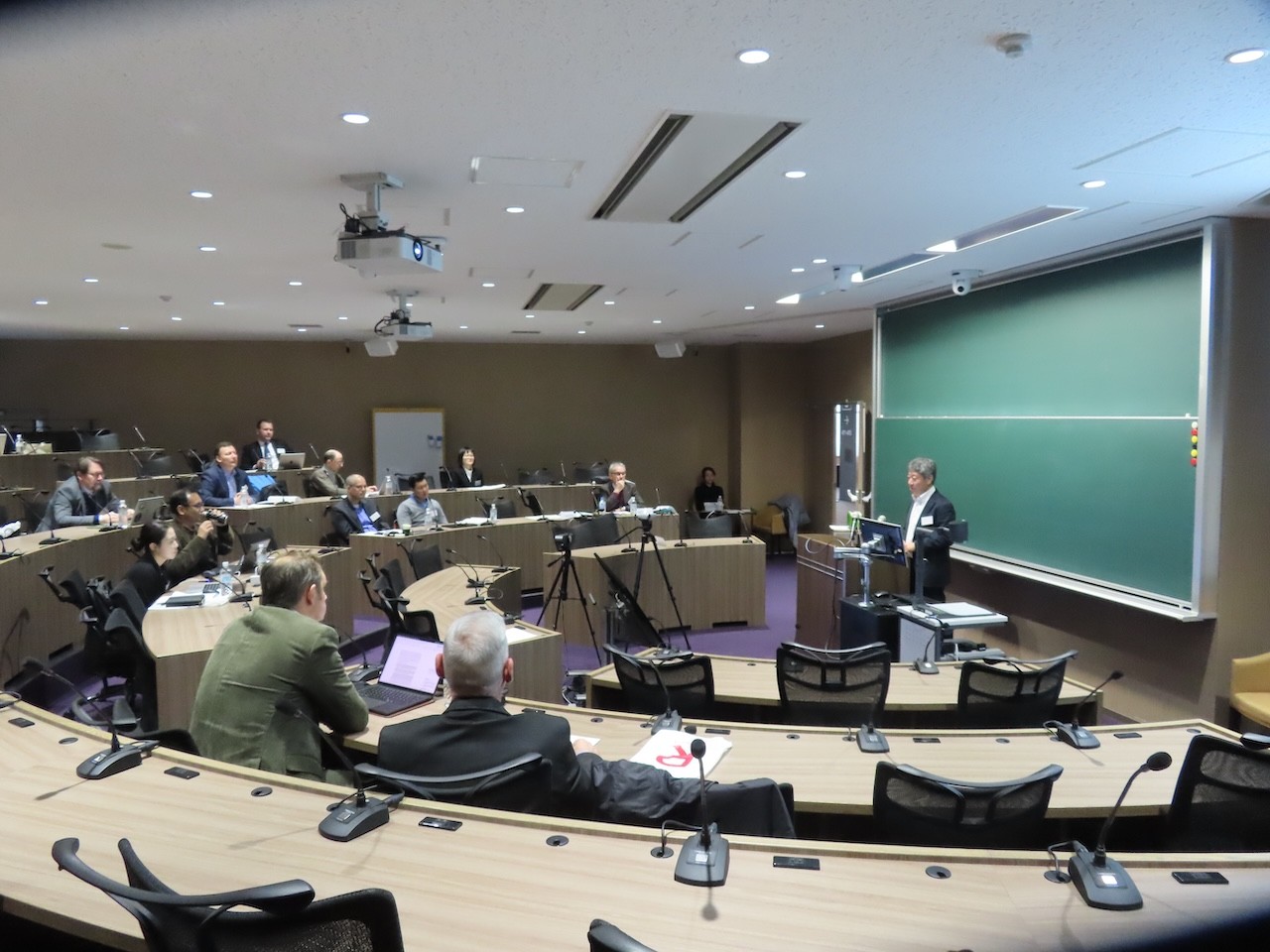
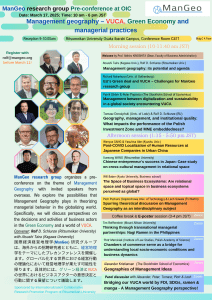
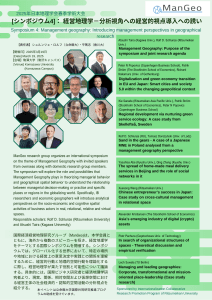
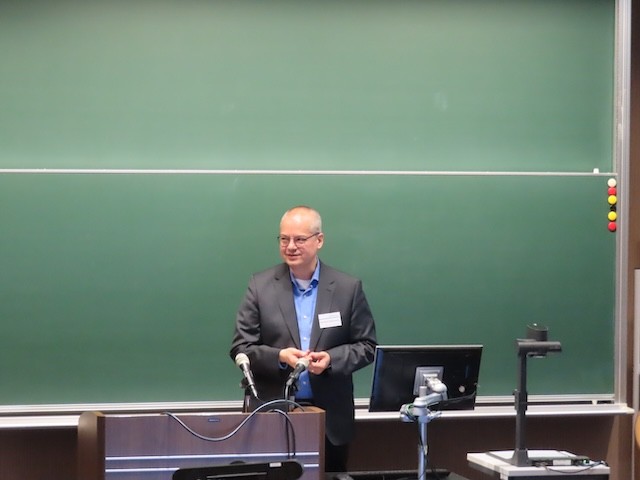
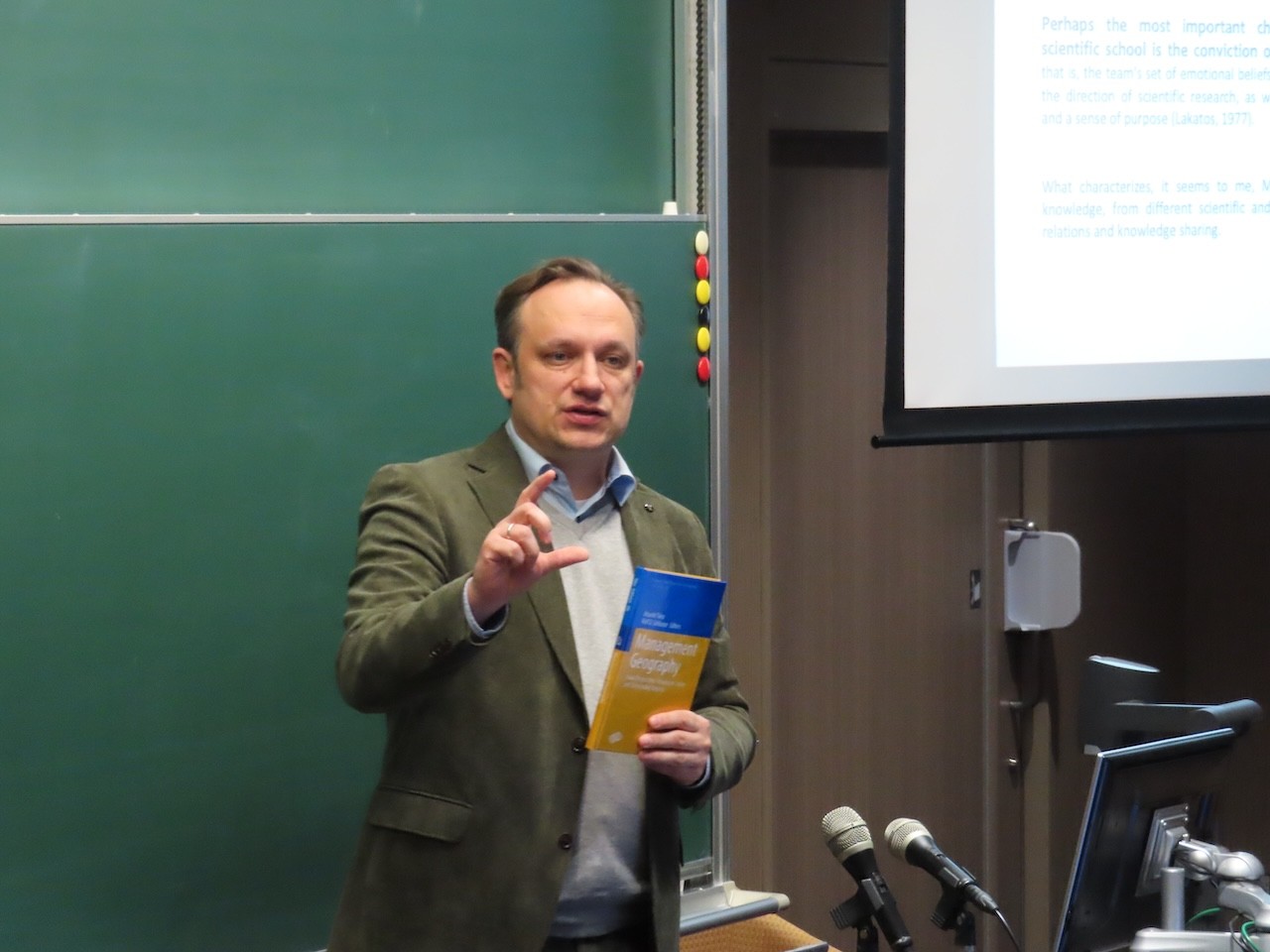
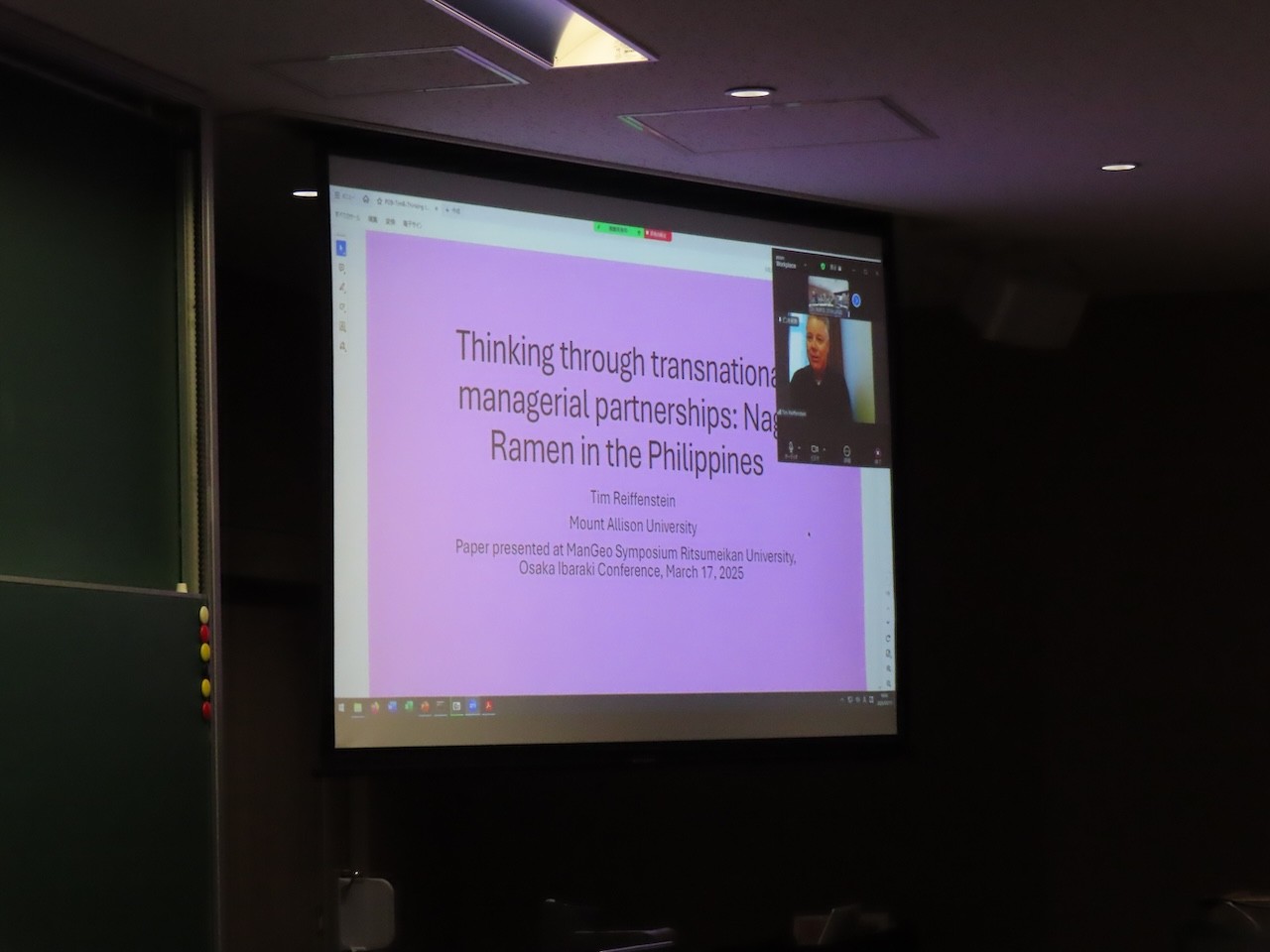
We organized an international symposium at the 2025 AJG Spring Meeting in order to promote our agenda of Management Geography. Ritsumeikan University invited research group members from overseas. International exchange was conducted first during our ManGeo pre-conference at Ritsumeikan OIC on March 17, 2025. Here, we encouraged young scholars to contribute with their research work and they got published with ManGeo working paper series. During the pre-conference we had a variety of topics spanning from theory building to empirical research about diverse managerial problems. One important focus was the EU’s Green Economy and VUCA. ManGeo research group members discussed the next step important to apply for an JSPS sponsored joint research project. Find attached the detailed program. Find the Collection of Abstracts as PDF uploaded here.
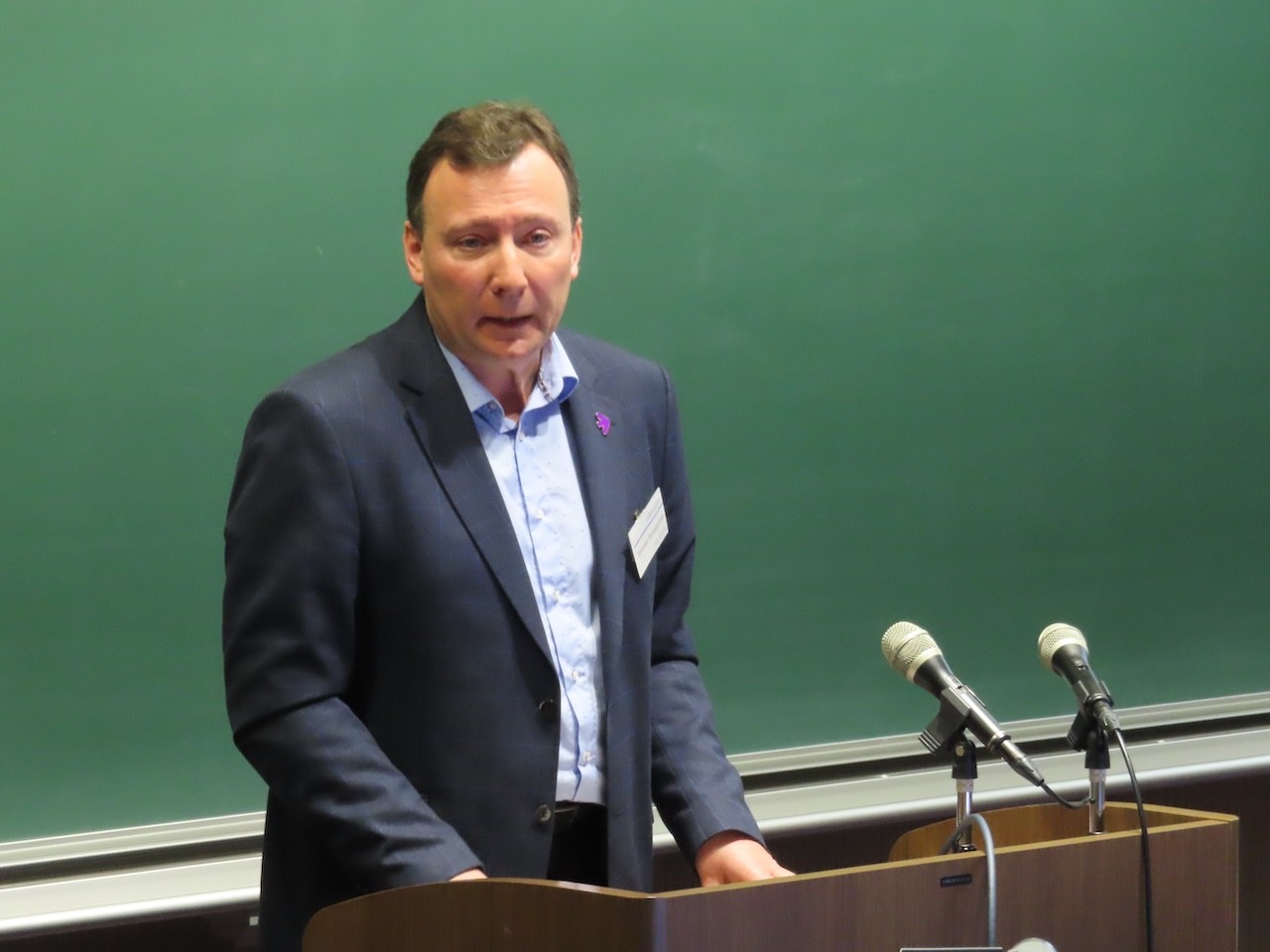
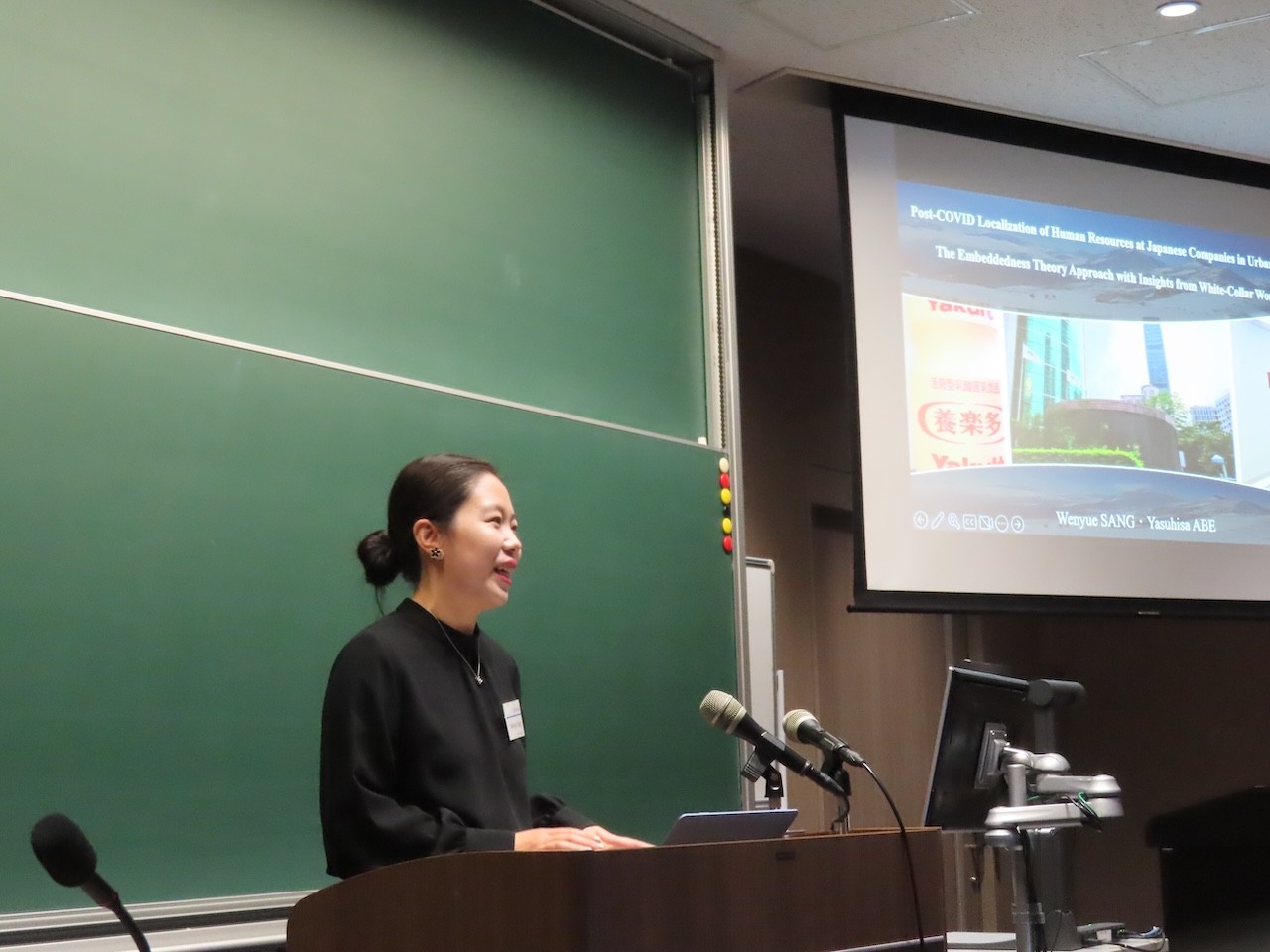
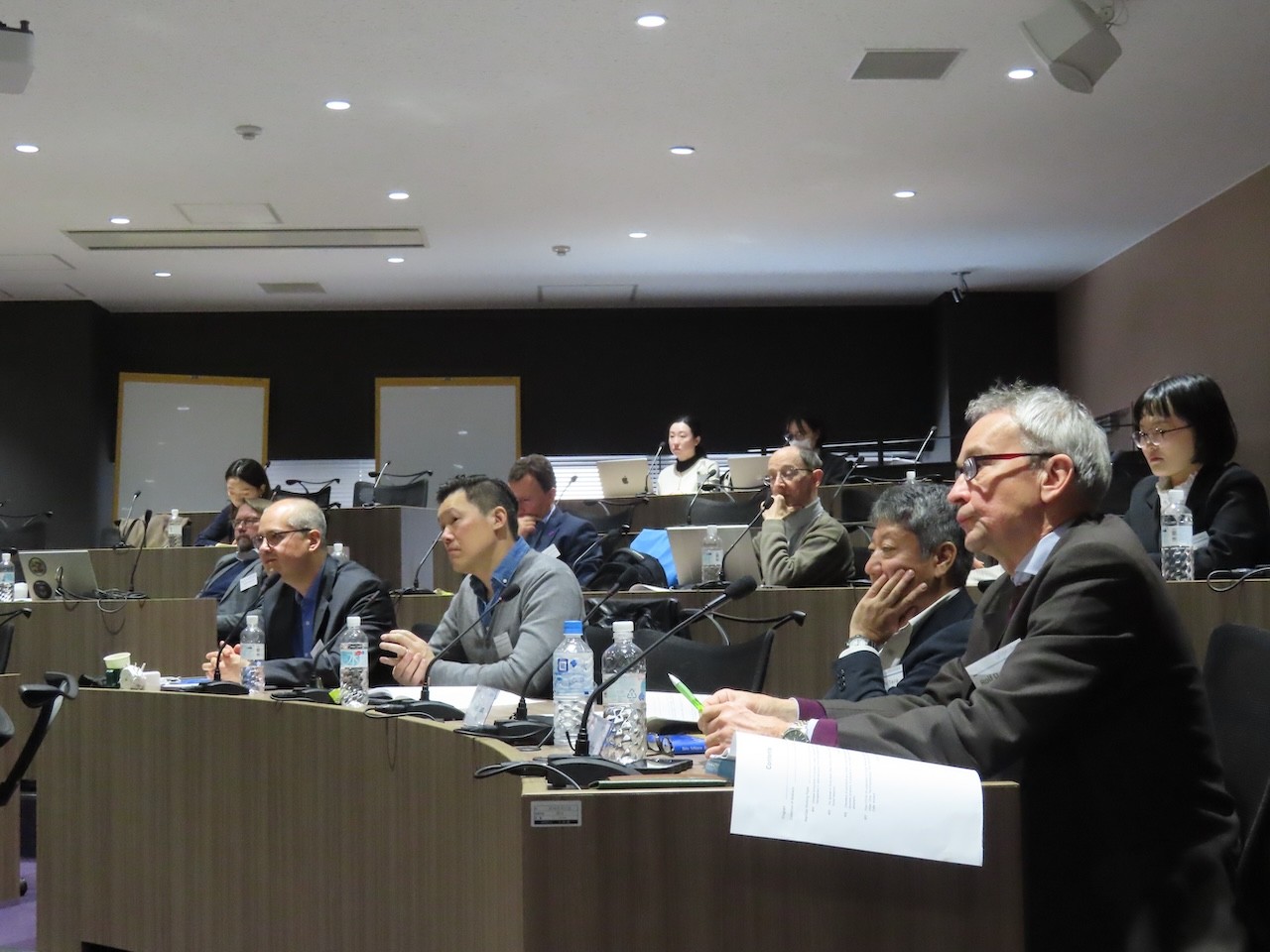
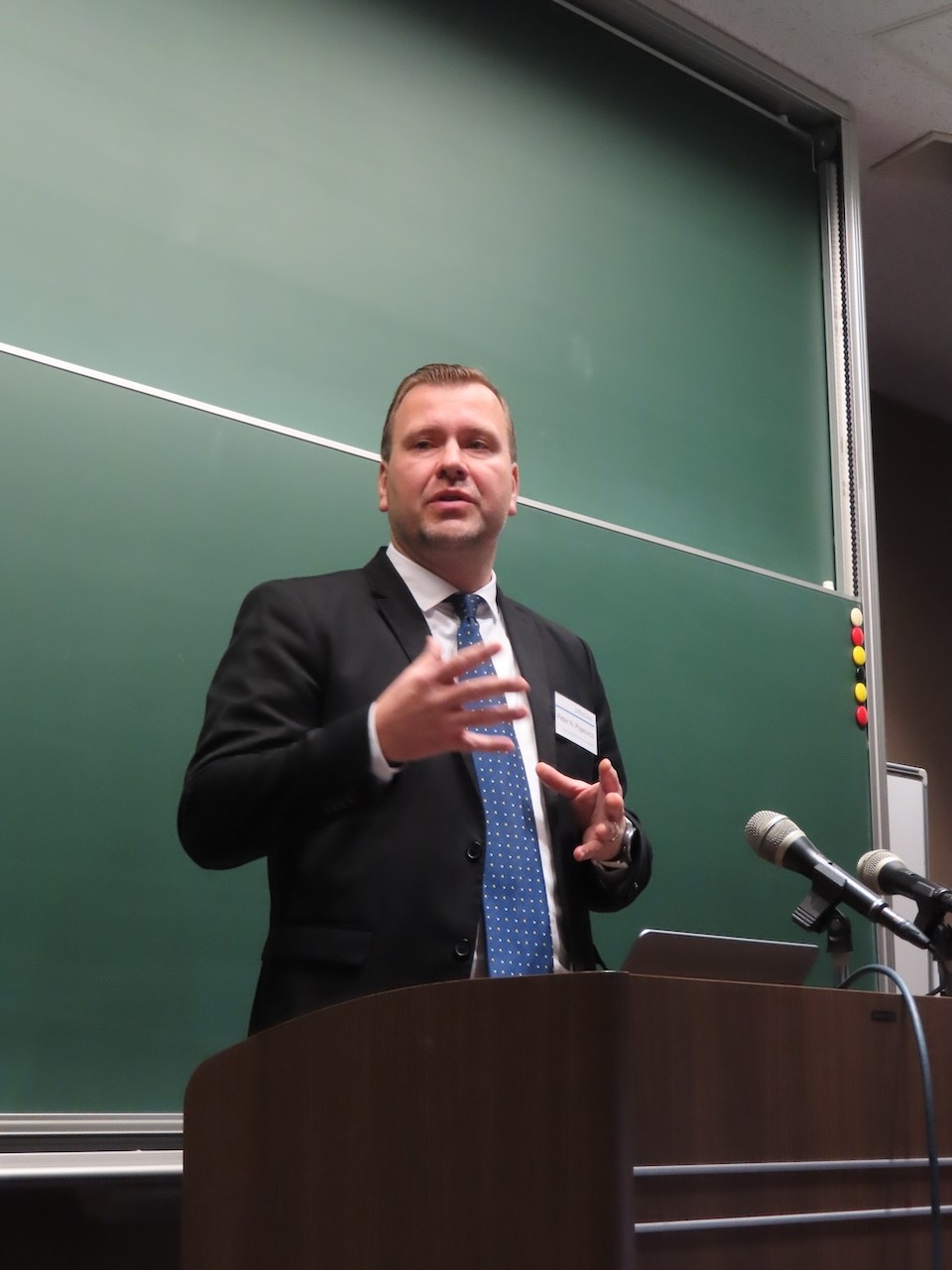
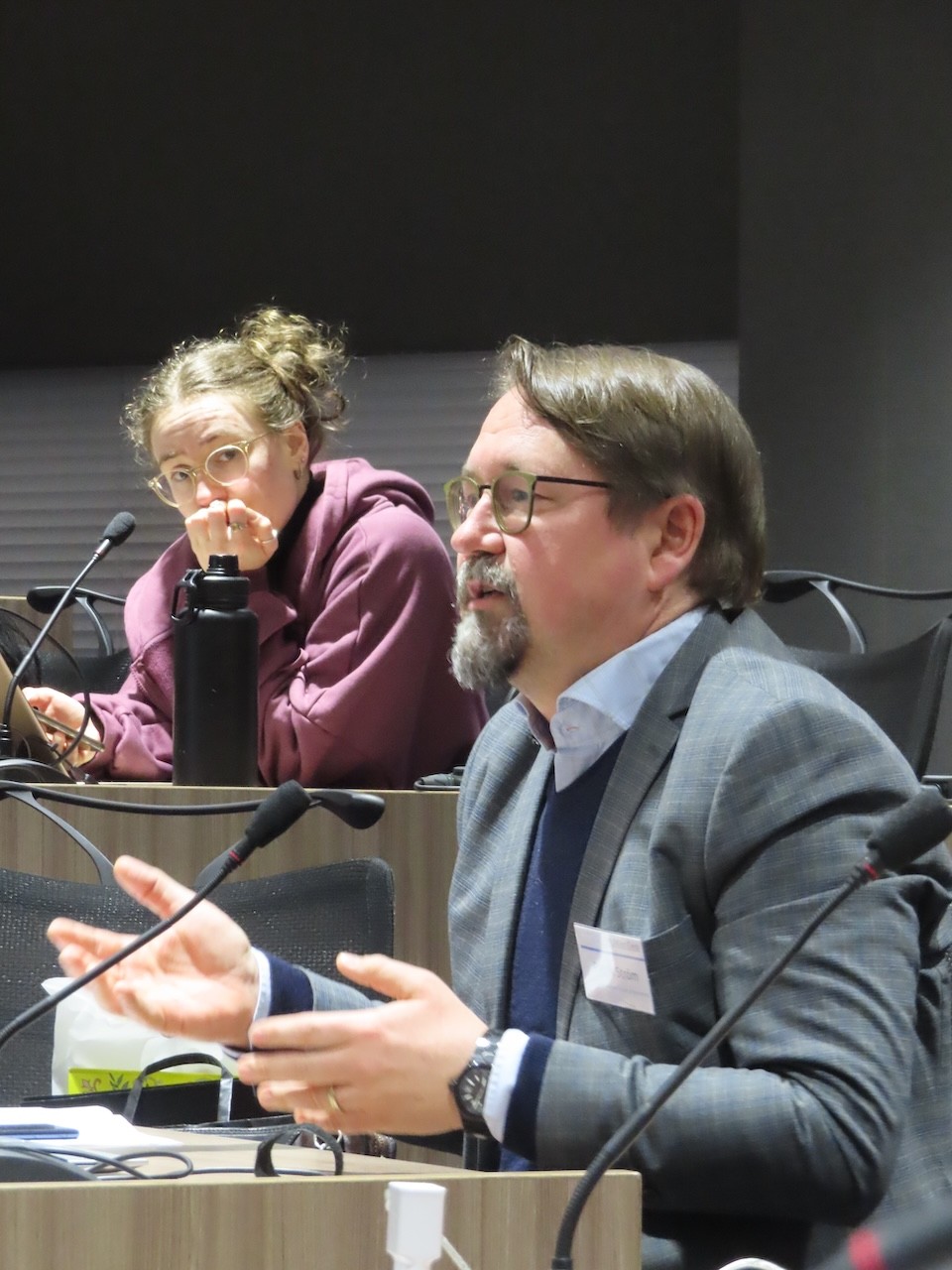
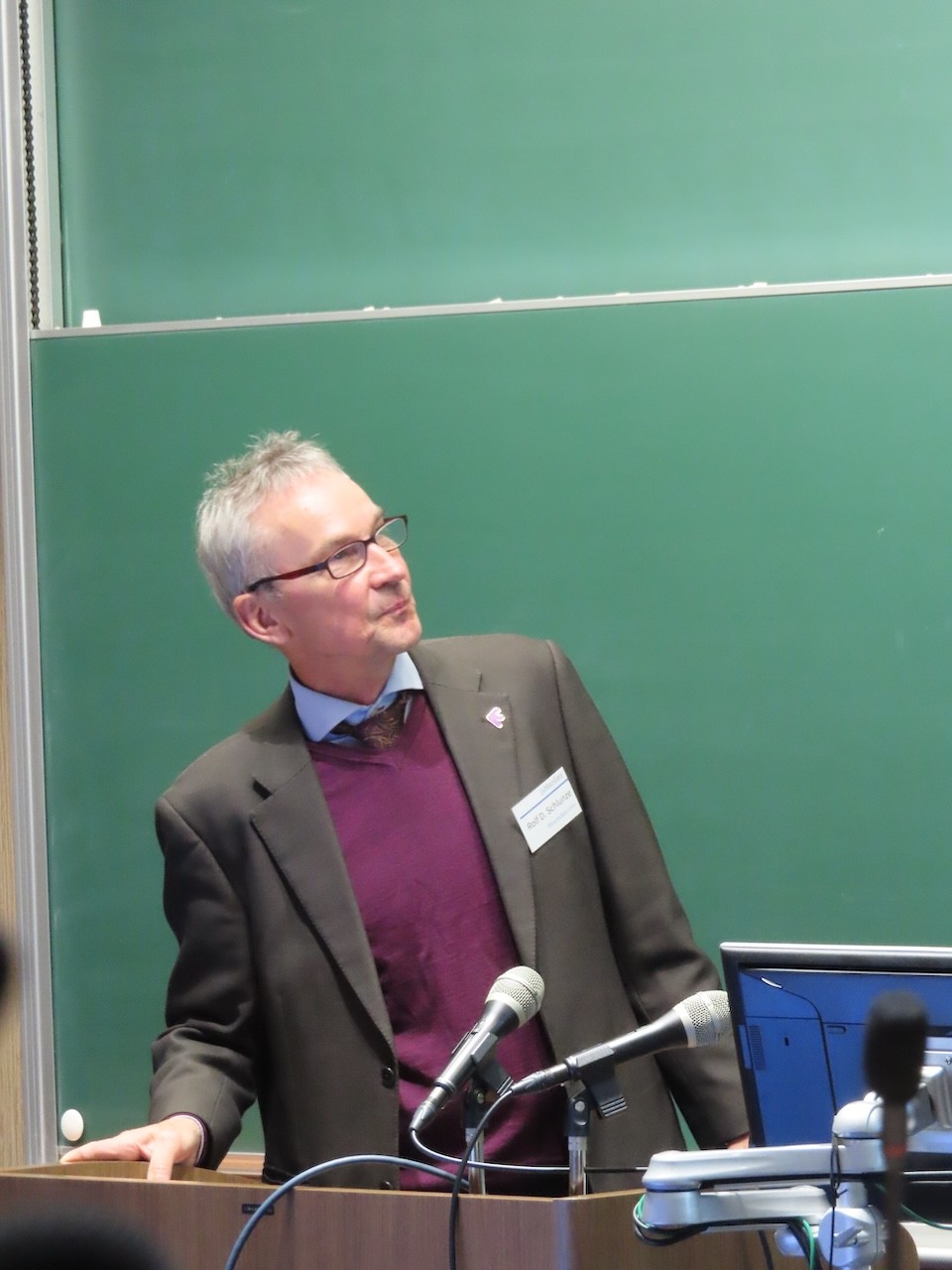
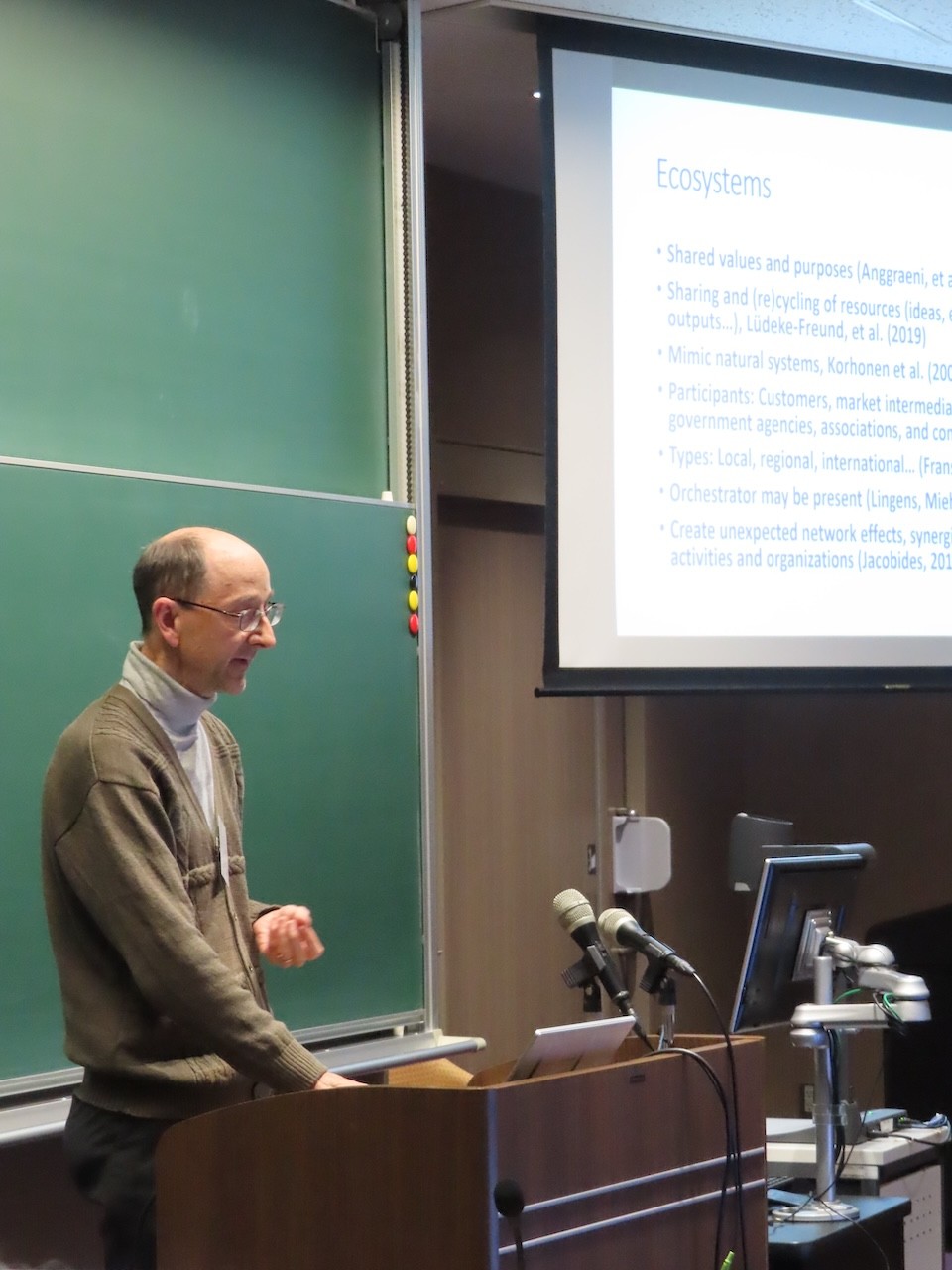
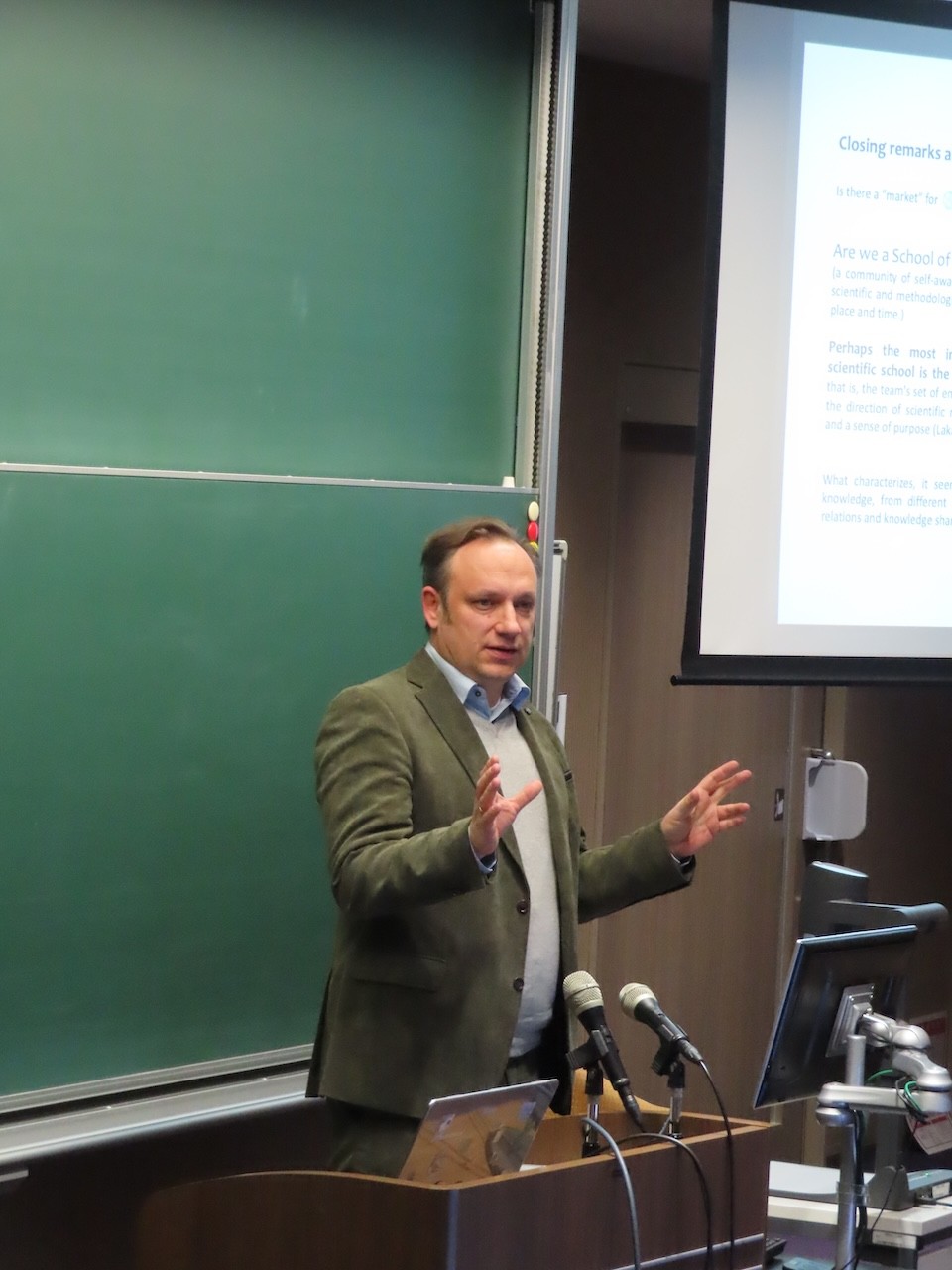
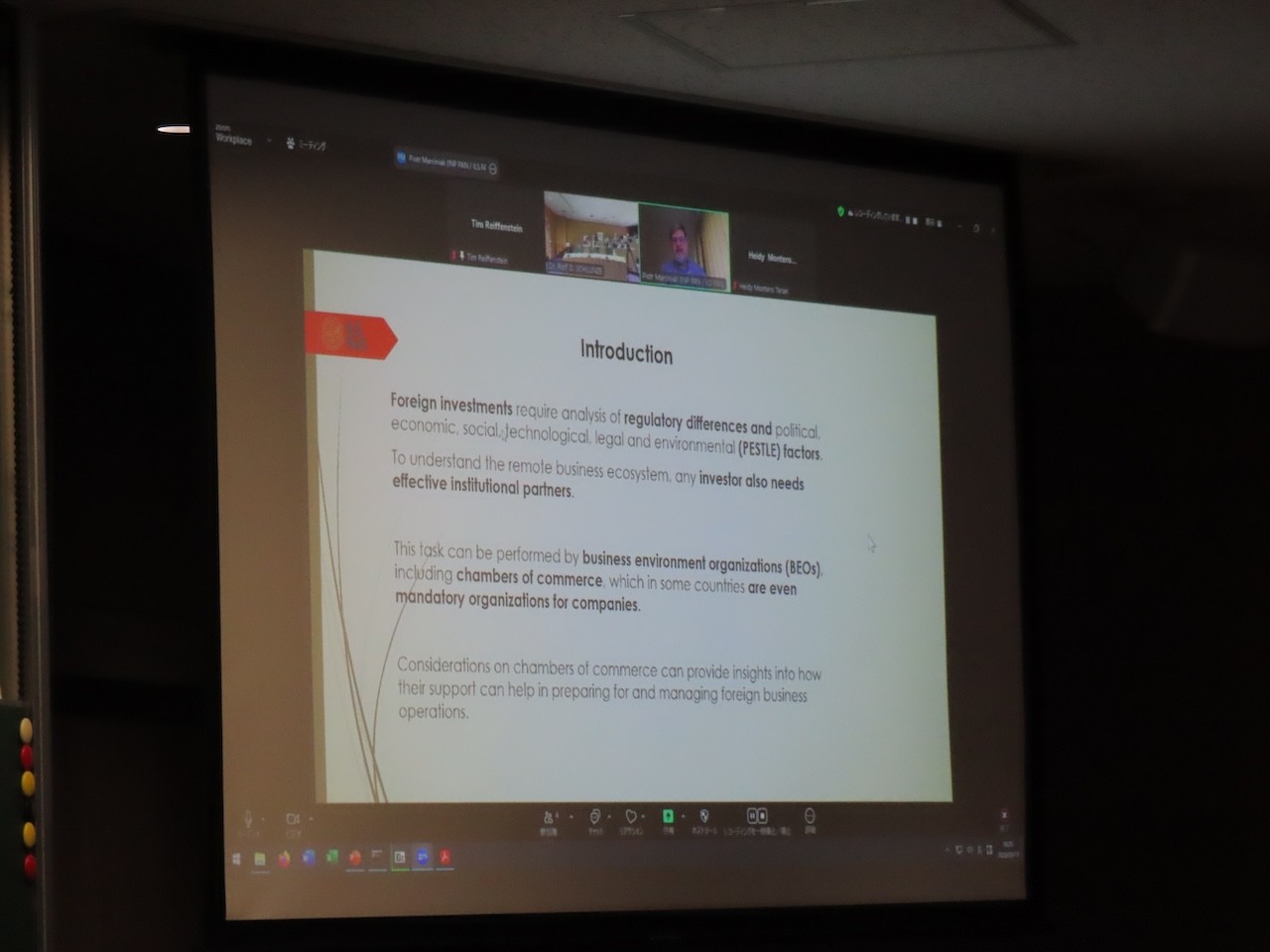
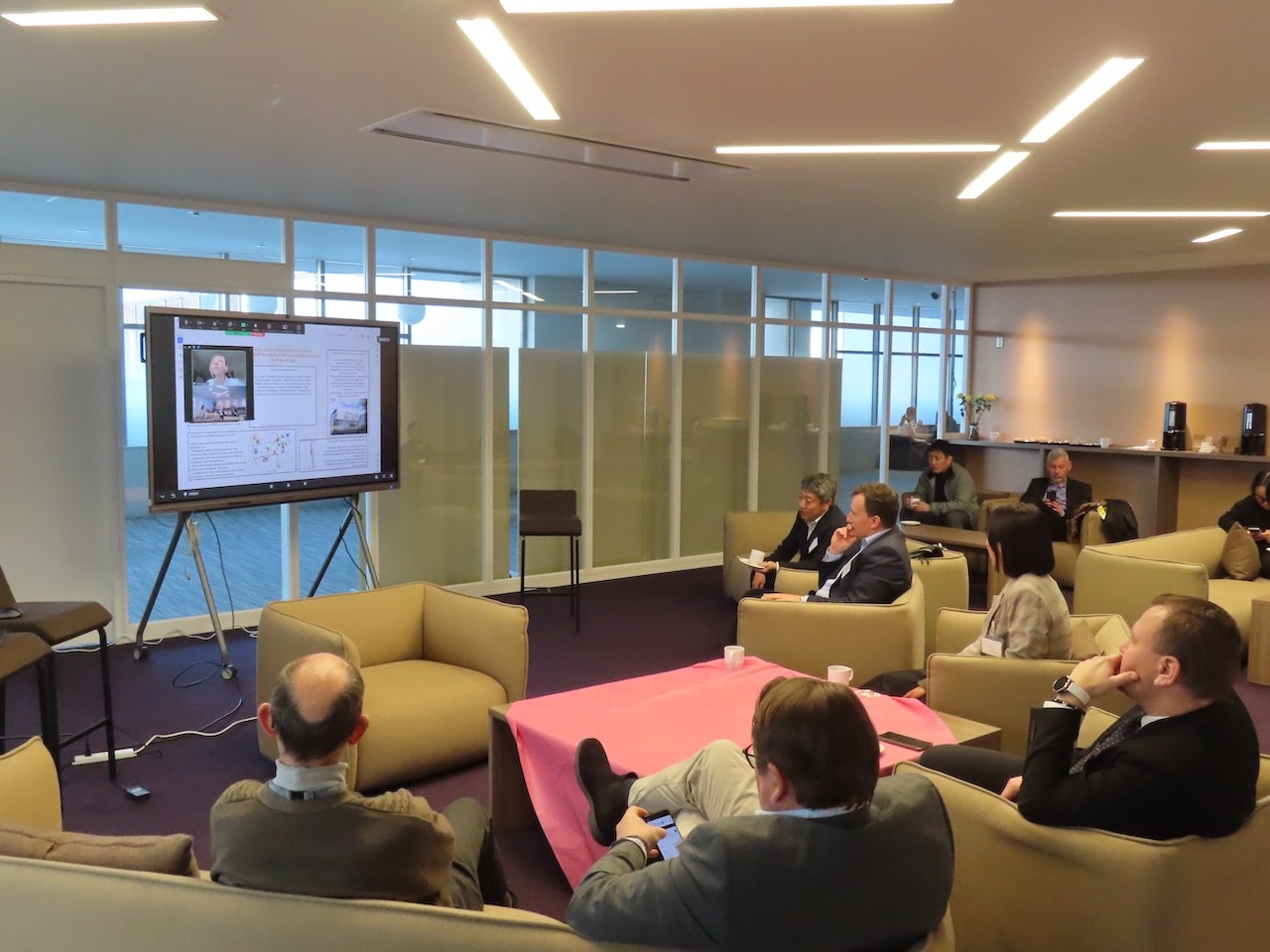
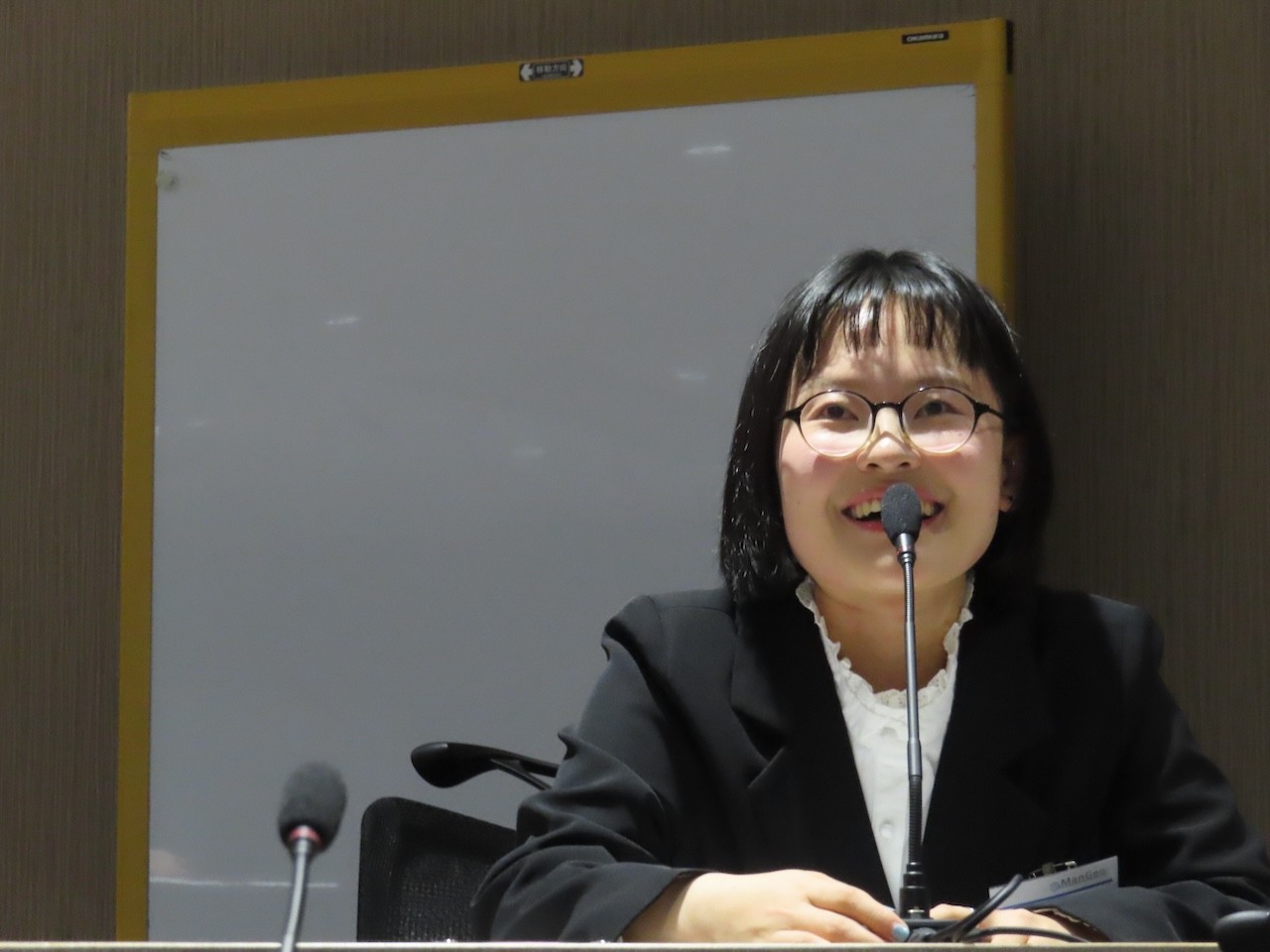
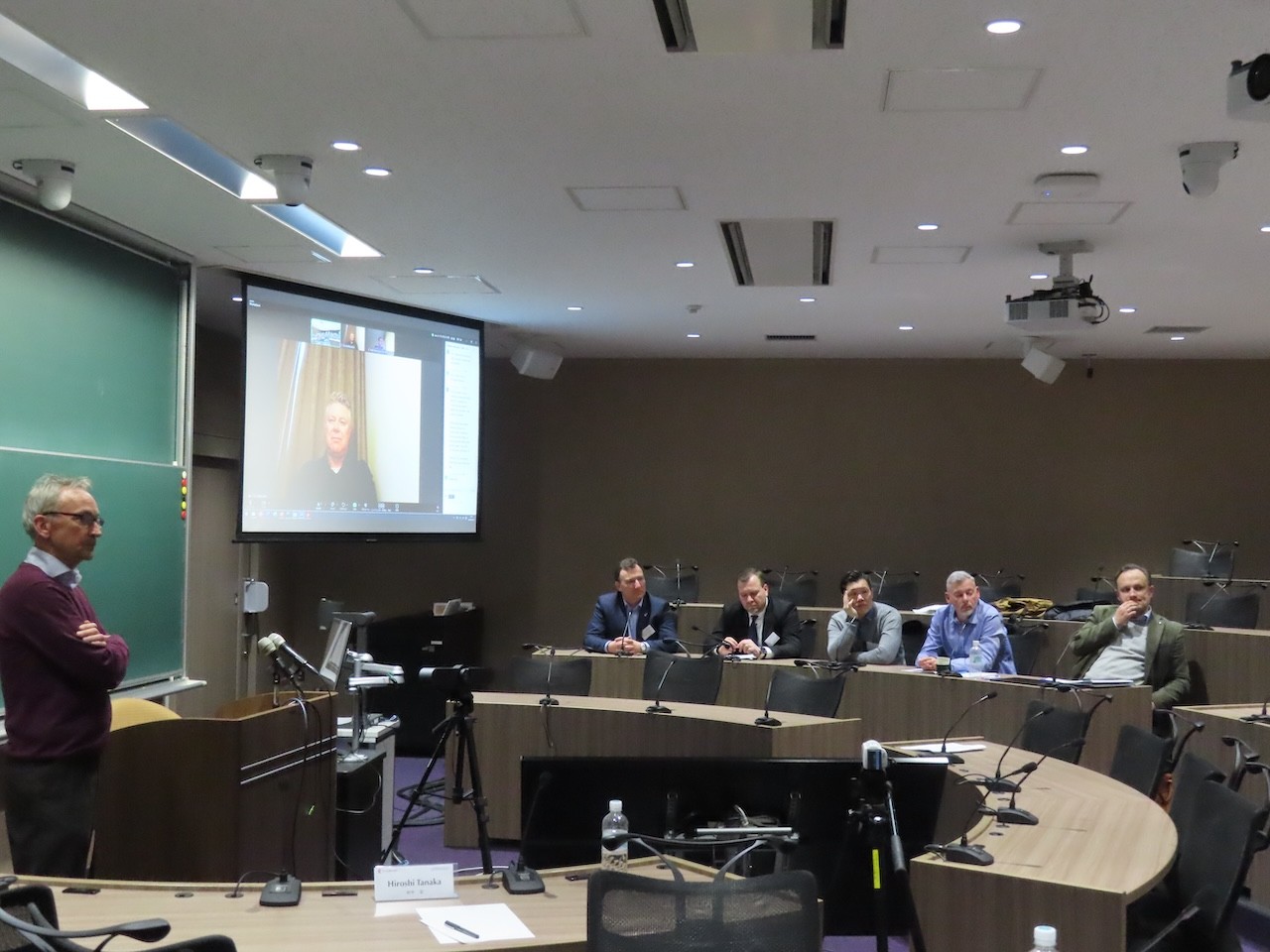
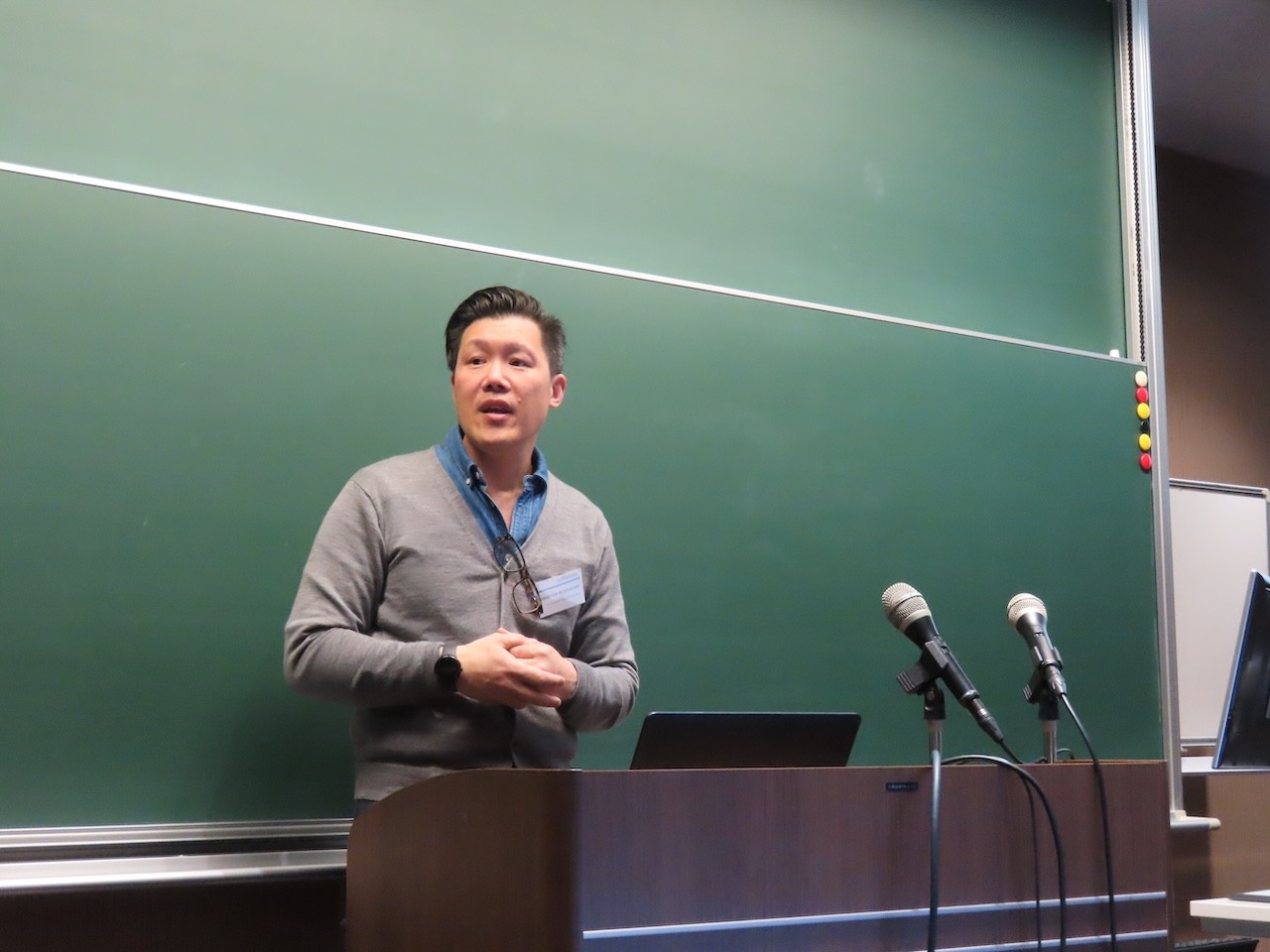
Below you find the pictures showing the atmosphere at the pre-conference on the Ritsumeikan University Osaka Ibaraki Campus.
 |
 |
 |
 |
 |
 |
 |
 |
 |
 |
 |
 |
|
 |
 |
 |
 |
 |
 |
 |
|
|
|
|
2023 Research Group Meeting
Research Group Meeting on Embedding MNEs in Poland
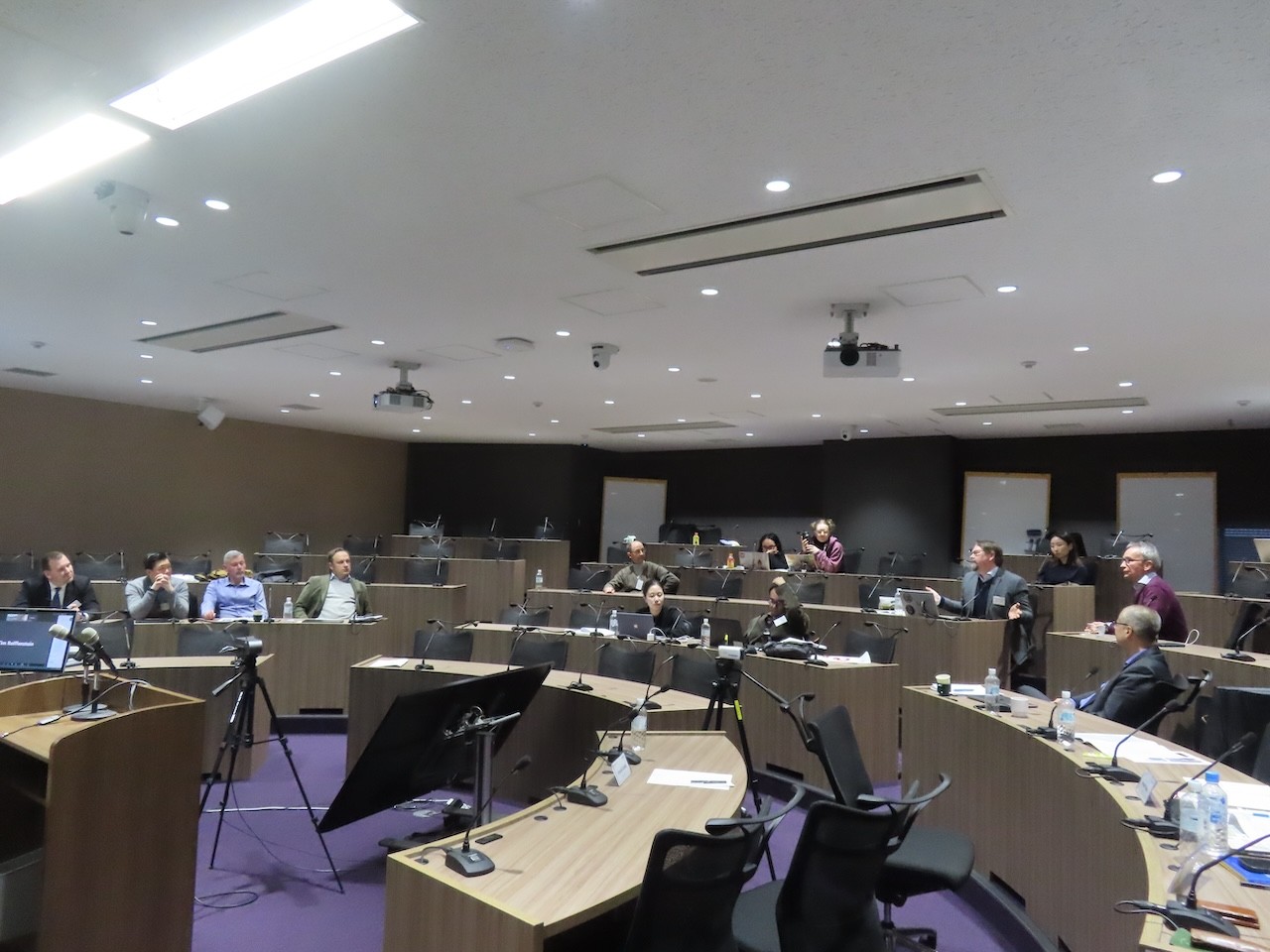
We organized our research meeting as a hybrid event entitled Embedding MNEs in Poland – Inward investment promotion of multinational manufacturing companies in Poland. The hybrid event was hosted by RITSUMEIKAN UNIVERSITY OIC Room C473 (2-150 Iwakura-cho, Ibaraki, Osaka, 567-8570 Japan) at JUNE 23, 2023, 16:00-18:00 JST (9:00-11:00 MEZ). Overseas research group members and interested domestic scholars and students were invited discussing options for joint research projects on 1. Manufacturing companies and investment promotion and/or MNEs local and regional aspects in the context of Poland & Japan; 2. Poland’s role in Ukraine’s post-war economic recovery; 3. Economic globalization and local industrial clusters. Dr. Schlunze featured following speakers:
- Dr. hab. Tomasz Dorożyński, Department of International Trade, University of Lodz, Poland
- Hiroshi Tanaka Ph.D., College of Economics, Ritsumeikan University
- Dr. Atsushi Taira, Faculty of Education, Kagawa University
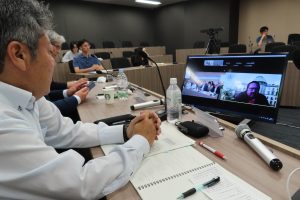
As a discussant Professor Patrik Ström from Stockholm School of Economics joint us from Sweden by ZOOM video call.
Professor Kinoshita gave a welcome to research members flying in from Poland proud of host the ManGeo meeting advertising Ritsumeikan OIC. Professor Rolf D. Schlunze promoted the ManGeo research group books that have been published with Palgrave in 2012 and with Springer Nature in 2022. Definition of Management Geography was introduced to build a common ground for the discussion. The speakers have been introduced by their topics as follows.
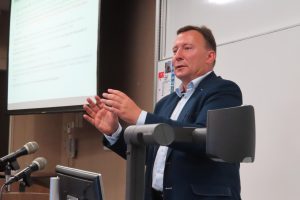
The first presenter, Professor Tomasz Dorożyński gave a presentation about the Incentives for attracting investors to Poland: The case study of manufacturing companies. Tomasz showed his gratitude to the host mentioning our efforts on mutual hospitality and academic exchange. In times of VUCA the search for optimal investment locations becomes an important aspect. Incentives need to decide in respect on the particular investment project but with a long-term perspective. In his speech he shared his insides as follows.
Internationalization is surely one of the major processes observed in contemporary global economy. Multinational enterprises (MNEs) are looking for optimum locations in almost all countries and regions across the world which are politically and economically safe. A foreign investor is interested, above all, in finding a concrete location where he would be able to bring the project to a successful end. With this knowledge in mind, authorities (at different levels) try to attract foreign investors using public resources for this purpose. Incentive schemes offered to potential investors continue to stir heated debates amongst economists, IB researchers and experts. Most governments actively compete for FDIs offering them, e.g., fiscal, financial, regulatory, technical and information tools. However, using incentives to attract MNEs cannot be a priori considered economically justified, as it is connected with incurring costs which, is some circumstances, may exceed expected returns. Such operations may raise doubts not only because economic operators are being subsidized, which means that a government interferes with the market, but because of the selective nature of granted aid. Research studies conducted globally to date, but also in Poland, do not let to unambiguously evaluate the effectiveness of incentives in attracting foreign investors. Most of their results, however, entitle to draw a conclusion that incentives, compared to other (fundamental) factors, played a secondary role in making location choices. Ambiguous and sometimes even contradictory conclusions are, in my opinion, the main reason why in-depth studies on the effects of incentives targeting foreign investors, especially at regional and local levels, should be conducted. Special attention was given to investments in special economic zones (SEZs). SEZs have become a popular investment policy tool especially in emerging economies. Growing popularity of zones among the governments seems to confirm the effectiveness and efficiency of the instrument. More skeptical assessments can be heard from researchers aware that we are dealing with the second best solution, i.e., the one which may, but does not have to, be beneficial to the economy and may also generate loses. Hence the principal scientific goal of the study is to evaluate the economic rationale behind using investment incentives and their impact on location choices made by enterprises with foreign capital. Author used the case of manufacturing companies, including Japanese ones operating in Poland. The primary and secondary data from several sources were analyzed, e.g. from special economic zones in Poland, Polish investment zone program, primary data collected within direct questionnaire studies among foreign investors and other secondary sources. Statistical methods were employed. Finally, he referred to his publications as listed below.
Dorożyński T., & Świerkocki J., (2022), Specjalne strefy ekonomiczne w Polsce. Doświadczenia i perspektywy, Wydawnictwo Uniwersytetu Łódzkiego, Łódź.
Dorożyński, T., Świerkocki, J., & Dobrowolska, B. (2021). Governance of special economic zones and their performance: Evidence from Poland. Entrepreneurial Business and Economics Review, 9(3), 149-167.
Dorożyński, T., Dobrowolska, B., & Kuna-Marszałek, A. (2021), Institutional Quality and its Impact on FDI Inflow: Evidence from the EU Member States, Comparative Economic Research. Central and Eastern Europe, Volume 24(4), 23–44.
Dorożyński T., (2020), Incentives to Attract FDI: Evidence from the Łódź Province, Wydawnictwo Uniwersytetu Łódzkiego, Łódź.
The second presenter, Professor TANAKA Hiroshi from the College of Economics, Ritsumeikan University BKC presented about
The automotive EVisation in the EU and the transformation of the German – cored global value chain. He shared his insides as follows. His study revealed the EVisation and de-Russianisation of the car industry in Europe in terms of the formation and development of integration capacities that guarantee the transition from high-speed, long-distance mobile durable goods to engine-powered car and then EV vehicles. The formation and development of such integration capacities is a combination of 1) the development of indigenous technologies, 2) changes in the product/production architecture of car manufacturing, and 3) the creation of institutional networks. The final conclusions summarize the imperial way of life, Germany’s geopolitical superpower status, the influence of China and the trend towards de-Russianisation.
 The third presenter Professor TAIRA Atsushi from the Faculty of Education at Kagawa University. Gave a presentation about Economic globalization and local
industrial clusters: A case study of Glocal production and management strategies of the glove-related industry in Shikoku, Japan. He found that economic globalization has brought severe competitive environment to local industries in the world. Especially, local mundane ‘low-tech’
industries in the developed countries have been facing continuous challenges to survive in the market. The glove-related industry in Eastern Kagawa in Shikoku, Japan, is a good example. The various concepts on the industrial cluster have provided critical tools to explain its formation and development. And the Global Value Chains (GVC) and Global Production Networks (GPN) concepts have contributed to understand processes and configuration of globalization of firms’ operations. Relational perspectives, which suggests an alternative point of view about space and place of firms’ operations, are recently attracting increasing attentions of researchers. This paper argues survival strategies of local industries and firms introducing relational concepts of pipelines and buzz.
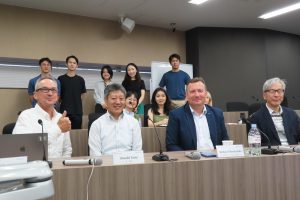
Before the presentations the invited presenters had an exchange with young scholars during a coffee break. After the presentation we went to a local pub continuing exchanging ideas and building deep relations Japanese style.
Other previous events
Workshops, symposia and special sessions at international conferences
-
Management Geography – Managers and Management of Space(s) at the 2022GCEG
-
Special Session at 2021 EAMSA annual conference: Management Geography
- Special Session at the 4th GCEG in Oxford
- Spaces of creativity, diversity and global management
- SIEM Research Group Seminar on Chinese management in Japan
- SIEM session at ICAP in Paris 2014
- Report on SIEM session at IGU 2013
- 32nd IGC – Special Session
- 2012 AAG Annual Conference
- 3rd GCEG – Special Session
- HUB 2011 Workshop
-
Our 1st International Symposium